
What Are the Top Spinal Health Care Products?

What Are the Top Spinal Health Care Products?

Spinal health care has become a practical concern for homes, offices, clinics, and active lifestyles. The World Health Organization reported that low back pain affected 619 million people worldwide in 2020. Its projection suggests this figure could reach 843 million by 2050. These numbers show why people seek better daily support, not quick fixes.

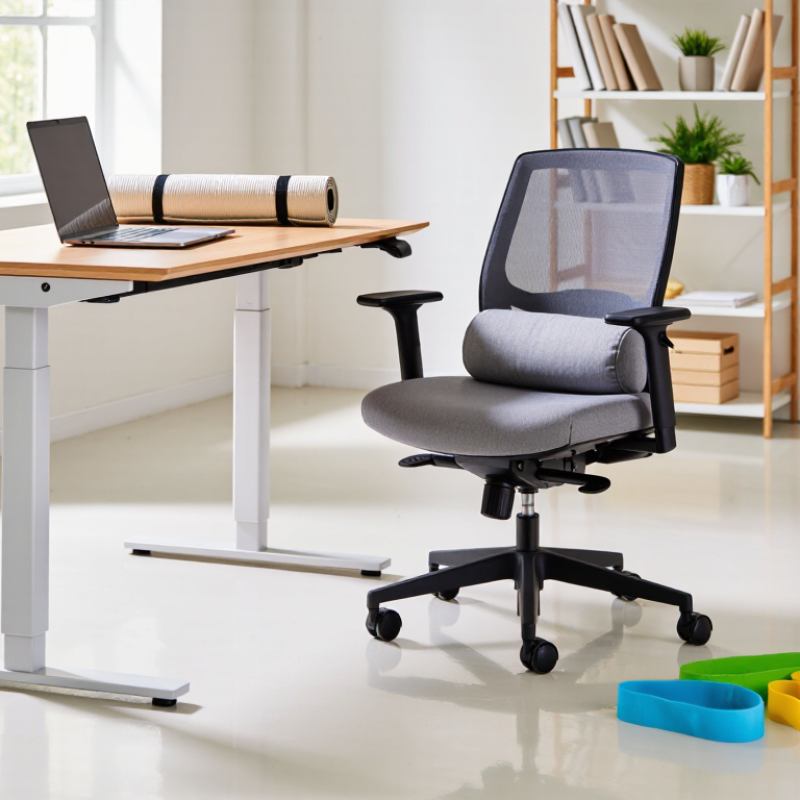
The strongest product categories include adjustable ergonomic chairs, height-adjustable desks, lumbar supports, supportive mattresses, and exercise tools. Each product serves a different purpose. A chair may reduce prolonged slouching. A sit-stand desk can encourage regular movement. Resistance bands and stability tools may support guided strengthening. However, product quality and personal fit matter greatly.

Evidence remains uneven.

The 2023 WHO guideline for chronic primary low back pain emphasizes education, exercise, and appropriate non-surgical care. It does not present one universal device as the answer. Reviews from organizations such as Cochrane also suggest that passive supports should not replace movement-based rehabilitation. This distinction is important when comparing braces, traction products, massage devices, and posture correctors.

A reliable buying guide should examine materials, adjustability, safety instructions, return policies, and clinical evidence. It should also consider the user’s work surface, sleeping position, body measurements, and symptoms. A product that feels comfortable for ten minutes may become unsuitable after eight hours.

Some recommendations may need refinement.

Readers with numbness, weakness, severe pain, or bladder and bowel changes should seek qualified medical assessment. The best spinal health care product is not always the most expensive one. It is the product that supports safer habits, realistic expectations, and professional guidance when needed.
What Are the Top Spinal Health Care Products?

Spinal Health Care Products: Definitions, Purposes, and Main Categories

What Are the Top Spinal Health Care Products?

Spinal health care products are tools designed to support posture, movement, comfort, or recovery around the spine. The category is not perfectly defined. Some products address daily ergonomics, while others assist short-term rehabilitation under professional supervision.

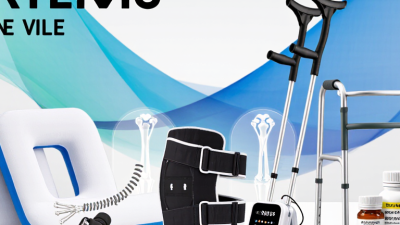
Common categories include ergonomic chairs, lumbar cushions, adjustable desks, posture supports, spinal braces, and exercise accessories. Lumbar cushions can fill the gap between the lower back and a chair. Adjustable desks may reduce long periods of static sitting. Braces can limit movement after certain injuries, but they should not replace medical assessment. Physical therapists may also recommend resistance bands, balance tools, or carefully selected mobility aids.

Some products focus on symptom management rather than structural correction. Heat wraps may relax tight muscles, while cold packs can help after minor strain. Electronic posture sensors can remind users to change position, although reminders do not build strength by themselves. Evidence differs across products, and marketing language can sound more certain than research allows. That deserves attention.

Fit matters greatly. A cushion that feels supportive for one person may increase pressure for another. I would check comfort, adjustability, cleaning instructions, and intended duration of use. Persistent numbness, weakness, severe pain, or pain after trauma requires qualified medical evaluation, not a stronger gadget. Even good equipment can be misused.
Ergonomic Supports for Sitting, Standing, and Sleeping

What Are the Top Spinal Health Care Products?

Ergonomic Supports for Sitting, Standing, and Sleeping

Good spinal support should fit your body, not force your body into one position. For sitting, an adjustable lumbar cushion can fill the hollow behind your lower back. A seat wedge may also reduce slouching by gently tilting the pelvis forward. Keep both feet supported, with knees close to hip level. A monitor should sit near eye height to limit neck bending. Small changes matter.

Standing support begins with stable footwear, an anti-fatigue mat, and a properly adjusted work surface. The mat should feel firm but cushioned, especially on hard floors. Shift your weight regularly instead of locking your knees. A sit-stand desk can help, but constant standing is not automatically healthier. Movement remains essential. Short walking breaks often work better than expensive equipment used poorly.

Sleep products require more personal judgment. Side sleepers may benefit from a pillow between the knees, while back sleepers often prefer support beneath the knees. A pillow should keep the neck aligned, not push the head forward. Mattresses cannot correct every spinal problem. I have noticed that comfort can be misleading; a soft surface may feel pleasant but provide weak support overnight. Product guidance should come from qualified health professionals when pain, numbness, or weakness continues. Stop using any support that increases symptoms.

What Are the Top Spinal Health Care Products? - Ergonomic Supports for Sitting, Standing, and Sleeping

Product Type Primary Position Main Spinal Support Function Useful Specifications and Dimensions Adjustability Features Selection Guidance
Lumbar Support Cushion Sitting Fills the gap between the lower back and the chair while helping maintain the lumbar curve. Common cushion height: approximately 30–45 cm; depth: about 8–12 cm; contoured or adjustable thickness is preferable. Straps, removable inserts, adjustable depth, and washable covers. The support should contact the lower back without pushing the user noticeably forward or causing pressure.
Ergonomic Office Chair Sitting Provides adjustable pelvic, lumbar, thoracic, and upper-body support during desk work. Seat height commonly around 40–53 cm; seat depth should allow roughly 5 cm between the seat edge and the back of the knees. Seat height and depth, lumbar height and tension, backrest recline, armrest height, and seat tilt. When seated, feet should rest on the floor, thighs should be supported, and shoulders should remain relaxed.
Sit-Stand Workstation Converter Sitting and standing Allows regular posture changes and reduces prolonged static sitting. Typical adjustable work-surface height: approximately 70–120 cm; width often ranges from 60–120 cm. Pneumatic or electric height adjustment, keyboard-tray adjustment, and monitor-height adjustment. Set the work surface near elbow height, keep the monitor at or slightly below eye level, and alternate positions regularly.
Anti-Fatigue Standing Mat Standing Provides cushioning and encourages small weight shifts during prolonged standing. Common thickness: approximately 1.5–2.5 cm; working widths often range from 50–90 cm. Beveled edges, non-slip backing, beveled corners, and different firmness levels. Choose a stable surface that does not create a trip edge and use supportive, comfortable footwear.
Footrest Sitting Supports the feet when chair height or desk height prevents comfortable floor contact. Typical platform height: approximately 5–15 cm; a surface around 30–45 cm wide can accommodate both feet. Adjustable height, tilt angle, textured surface, and rocking movement. Use it to keep knees near hip level and avoid dangling feet, especially with higher work surfaces.
Cervical Contour Pillow Sleeping on the back or side Helps keep the neck closer to a neutral position by filling the space beneath the cervical curve. Common loft range: approximately 8–14 cm; side sleepers generally need more loft than back sleepers, depending on shoulder width and mattress firmness. Dual-height edges, removable filling, adjustable inserts, and contoured neck support. The head should remain level rather than tilted upward or downward; stomach sleeping can place more rotation on the neck.
Knee or Leg Support Pillow Sleeping on the side or back Reduces twisting of the pelvis and lower spine by supporting the legs in a more aligned position. Typical thickness: approximately 15–25 cm; length commonly ranges from 20–45 cm. Contoured shape, leg-securing strap, washable cover, and variable firmness. Side sleepers may place it between the knees and thighs; back sleepers may place it beneath the knees.
Adjustable Bed Base Sleeping and resting Changes trunk and leg angles to support different resting positions and reduce sustained flat positioning. Common mattress sizes include approximately 90 × 190 cm for single beds and 135 × 190 cm for double beds, varying by region. Independent head and leg elevation, preset positions, quiet motors, and emergency manual lowering. Use gradual adjustments and confirm mattress compatibility; it should not replace medical evaluation for persistent pain.

Dimensions are common ergonomic design ranges rather than universal prescriptions. Individual body size, furniture height, mattress firmness, comfort, and medical conditions should be considered when selecting support products.

Exercise Tools for Spinal Strength, Flexibility, and Stability

Exercise tools can make spinal training more practical, but they should support movement rather than promise a cure. The World Health Organization reported that low back pain affected about 619 million people worldwide in 2020. Its 2023 guideline recommends structured exercise for many adults with chronic primary low back pain. A stability ball, resistance band, or light kettlebell can help train the trunk, hips, and shoulders together.

Start with controlled movements. A resistance band can support rows, anti-rotation presses, and gentle hip exercises. A stability ball adds balance demands during bridges or seated posture drills. Light weights may improve strength through deadlifts and carries, but technique matters more than load. Keep the spine neutral, breathe normally, and stop when pain becomes sharp, spreading, or increasingly intense.

Small sessions count. The World Health Organization advises adults to complete 150–300 minutes of moderate physical activity weekly, when appropriate. However, that target is not a license to rush. A 2021 systematic review in the British Journal of Sports Medicine found that exercise can reduce pain and improve function, but results vary between individuals. That uncertainty matters. Some tools feel helpful; others mainly collect dust. A physical therapist can adjust resistance, range, and progressions, especially after injury, surgery, numbness, or leg weakness. Product quality also deserves attention: stable handles, secure bands, clear weight markings, and non-slip surfaces reduce avoidable mistakes.

Pain-Relief Products and Their Appropriate Uses

What Are the Top Spinal Health Care Products?

Pain-Relief Products and Their Appropriate Uses

Pain-relief products can support spinal comfort, but each serves a different purpose. A heating pad may relax tight muscles after prolonged sitting. Use gentle warmth for 15 to 20 minutes, with a cloth barrier protecting the skin. Cold packs may reduce soreness after a minor strain or physical activity. Limit each session to about 15 minutes. Never sleep with either product applied.

A lumbar cushion can improve sitting posture by supporting the natural curve of the lower back. It should feel supportive, not forceful. Adjustable standing desks may also reduce discomfort during long computer sessions. A handheld massager can ease muscle tension, but avoid direct pressure over the spine, joints, or numb areas. Some people use electrical stimulation devices for temporary relief. These devices require careful placement and may not suit people with implanted medical equipment.

Over-the-counter pain medicine can help, but it is not harmless. Follow the label and ask a pharmacist about stomach, kidney, liver, or medication concerns. Severe weakness, loss of bladder control, fever, or unexplained weight loss needs prompt medical attention. Products cannot correct every spinal problem. I have seen people rely on supports too long, then move less and become stiffer. Short-term comfort should make safe movement easier, not replace professional assessment or gradual strengthening.

Safety Standards, Selection Criteria, and Professional Guidance

What Are the Top Spinal Health Care Products?

Safety Standards, Selection Criteria, and Professional Guidance

The most useful spinal health products support healthy movement rather than forcing the body into one position. Common options include adjustable lumbar cushions, supportive pillows, exercise mats, and height-adjustable footrests. A product should feel stable, comfortable, and easy to adjust. Comfort matters, but it cannot replace proper assessment.

Safety standards deserve close attention. Check material labels, cleaning instructions, weight limits, and electrical certifications for powered devices. Avoid products that promise to “cure” pain quickly. Reliable guidance usually comes from licensed physiotherapists, physicians, or qualified occupational therapists. They can consider posture, strength, work habits, previous injuries, and current symptoms. Evidence is not equally strong for every product. That matters.

Tips: Try a product for short periods first. Keep the spine relaxed, not rigid. Stop if numbness, weakness, or sharp pain appears. Measure your chair, desk, and sleeping space before buying. Ask a professional to check the fit. A simple product used consistently may help more than an expensive device.

Selection is rarely perfect. Personal comfort can be misleading at first. A very firm cushion may feel supportive, yet increase pressure after an hour. Reassess the product during normal activities, not only in a store. Keep notes about pain, movement, and sleep for several days. Seek medical advice for persistent pain, pain after an injury, or symptoms spreading into the limbs.

Top Spinal Health Care Products: Safety-Oriented Selection Score

The score reflects a five-point screening checklist: non-invasive use, user-adjustable fit, clear instructions, low risk of overuse, and compatibility with active rehabilitation. It is a selection aid, not a measure of clinical effectiveness.

Exercise bands and mats generally support active rehabilitation. Heat or cold packs may provide short-term comfort when used with temperature protection and time limits. Cushions and pillows should preserve a neutral, comfortable posture rather than force spinal alignment. Braces and TENS devices require more careful fitting, contraindication checks, and professional guidance.

Menu
Quick Contact
close slider


error: Content is protected !!