
Musculoskeletal health has become a major global priority for buyers, clinicians, employers, and active consumers. The World Health Organization reports that approximately 1.71 billion people live with musculoskeletal conditions worldwide. Low back pain remains the leading contributor to disability in many countries. These figures reveal a practical need for reliable products, not simply attractive packaging.
The Global Burden of Disease study also identifies back and neck disorders, osteoarthritis, and other conditions as persistent causes of pain and reduced mobility. Products in this category include ergonomic supports, compression wear, mobility aids, rehabilitation equipment, topical solutions, and recovery tools. However, product claims should match clinical evidence and user needs. A knee brace for post-exercise stability cannot be judged like a powered rehabilitation device. Details matter, including material comfort, adjustability, cleaning requirements, weight, and documented performance.
Professor David Hunter, a leading osteoarthritis researcher, has repeatedly stressed that “osteoarthritis is not an inevitable part of ageing.” That perspective challenges careless marketing. Buyers should examine testing standards, safety documentation, transparent instructions, and after-sales support before making global purchasing decisions. The following selection of the Top 10 Musculoskeletal Health Products for Global Buyers considers usability, evidence, product design, and supply reliability. It is not a universal ranking. Every market differs. Some recommendations may require further clinical review, especially when products serve older adults, injured workers, or people with chronic pain. Good purchasing decisions should support movement, independence, and informed care rather than promise instant recovery.
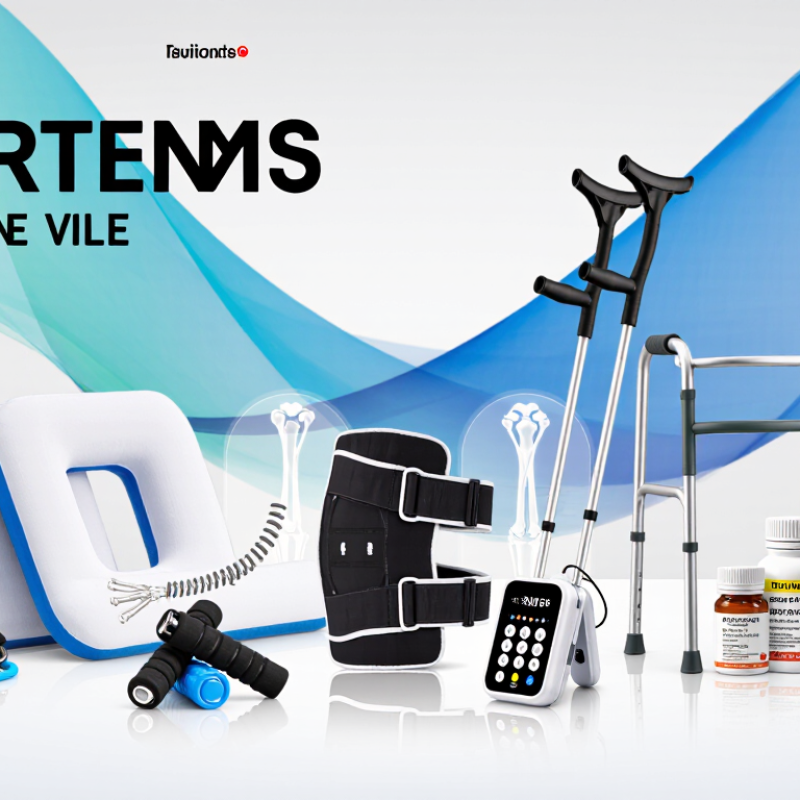
Top 10 Musculoskeletal Health Products for Global Buyers
Definition and Scope of Musculoskeletal Health Products
Musculoskeletal health products support bones, joints, muscles, tendons, ligaments, and movement. Their scope is broad. It includes braces, orthoses, compression supports, posture aids, mobility equipment, rehabilitation tools, and ergonomic accessories.
The World Health Organization reports that musculoskeletal conditions affect about 1.71 billion people worldwide. The Global Burden of Disease study identifies low back pain as a leading cause of disability. These figures explain strong demand for practical support products across workplaces, homes, clinics, and sports settings.
However, not every product suits every user. A knee sleeve may provide comfort, but it cannot replace clinical assessment for serious injury. Product quality also depends on fit, materials, testing, instructions, and intended use. The boundary between wellness equipment and medical equipment is not always simple. Buyers should check local regulations before importing or selling products.
Tips: Review product specifications carefully. Check sizing charts, load limits, cleaning instructions, and evidence for claimed benefits. Ask whether the product supports prevention, recovery, or daily comfort. These purposes differ.
The best purchasing decisions combine professional guidance with user experience. A physiotherapist may notice movement problems that a product description misses. Some buyers, including me, may overvalue attractive design. Function should come first.
| Rank | Product Category | Primary Musculoskeletal Need | Typical Product Formats | Common Use Cases | Primary User Groups | Key Buyer Evaluation Criteria | Regulatory and Safety Considerations |
|---|---|---|---|---|---|---|---|
| 1 | Braces and Orthoses | Joint stabilization, alignment support, movement limitation, and protection during recovery. | Knee Wrist Ankle Back Spinal | Sprains, osteoarthritis support, post-injury protection, sports recovery, and controlled immobilization. | Patients, athletes, rehabilitation providers, orthopedic clinics, and hospitals. | Correct sizing, anatomical fit, adjustability, breathability, material durability, comfort, and intended level of immobilization. | Products making therapeutic or immobilization claims may be regulated as medical devices. Instructions should address fit, skin inspection, circulation, and appropriate duration of use. |
| 2 | Compression Garments and Supports | External support, swelling management, proprioceptive feedback, and perceived muscle support. | Sleeves Socks Wraps Tights | Activity-related support, recovery after exercise, mild joint support, and management of selected swelling conditions. | General consumers, athletes, older adults, and people receiving rehabilitation care. | Compression level, pressure consistency, size range, textile recovery, seam design, moisture control, and washing durability. | Compression claims should be supported by product testing. Users with vascular, neurological, or skin conditions may require professional advice before use. |
| 3 | Hot and Cold Therapy Products | Temporary relief of pain, stiffness, and post-activity discomfort through thermal application. | Reusable Packs Heat Wraps Cooling Sleeves Thermal Pads | Short-term relief for muscle soreness, minor strains, joint stiffness, and swelling after activity. | Households, sports facilities, physiotherapy practices, and outpatient care settings. | Temperature control, surface coverage, leak resistance, flexibility, reusability, skin protection, and clear heating or cooling instructions. | Excessive heat or prolonged cold exposure can cause burns or cold injury. Products should include time limits, temperature guidance, and skin-safety warnings. |
| 4 | Transcutaneous Electrical Nerve Stimulation Devices | Temporary symptomatic relief of certain types of acute or chronic pain through low-voltage electrical stimulation. | Portable Units Electrode Pads Multi-Program Systems | Selected musculoskeletal pain management as part of a broader care plan. | Home users, pain-management services, rehabilitation clinics, and physical therapy practices. | Waveform and intensity control, electrode quality, battery performance, usability, software reliability, and replacement-pad availability. | Electrical stimulation devices generally require medical-device compliance in many markets. Contraindications and precautions may include implanted electronic devices, damaged skin, and certain medical conditions. |
| 5 | Therapeutic Exercise and Resistance Equipment | Strengthening, flexibility, balance, range-of-motion training, and functional rehabilitation. | Resistance Bands Exercise Balls Ankle Weights Hand Grippers | Recovery after injury, management of reduced strength, home exercise programs, and general physical conditioning. | Home users, physiotherapists, fitness professionals, rehabilitation centers, and senior-care facilities. | Resistance accuracy, tensile strength, non-slip surfaces, progressive levels, storage life, latex-free options, and exercise guidance. | Products should state maximum load and safe-use instructions. Exercise intensity should be appropriate to the user’s condition and rehabilitation stage. |
| 6 | Mobility Aids | Improved stability, weight redistribution, walking assistance, and fall-risk reduction. | Canes Crutches Walkers Rollators | Mobility limitation related to injury, surgery, neurological conditions, balance problems, or age-related weakness. | Older adults, rehabilitation patients, home-care users, hospitals, and assisted-living services. | Load capacity, height adjustment, base stability, grip comfort, brake performance, foldability, replacement parts, and transport dimensions. | Incorrect adjustment can increase fall risk. Products should provide load limits, adjustment instructions, brake checks, and guidance on professional fitting where needed. |
| 7 | Ergonomic Supports and Posture Products | Reduction of sustained mechanical strain and improvement of positioning during work or daily activities. | Lumbar Cushions Seat Supports Footrests Posture Aids | Desk work, driving, prolonged sitting, manual tasks, and workplace ergonomic programs. | Office workers, drivers, industrial workers, remote workers, and occupational health programs. | Adjustability, pressure distribution, dimensional compatibility, material resilience, cleanability, and suitability for different body sizes. | Products should not imply that posture accessories alone prevent or cure musculoskeletal disorders. Proper workstation design and movement breaks remain important. |
| 8 | Therapeutic Ultrasound Equipment | Clinician-delivered physical therapy using acoustic energy for selected rehabilitation applications. | Clinic Systems Portable Units Treatment Heads | Professional rehabilitation programs for selected soft-tissue and joint-related conditions. | Physiotherapists, rehabilitation hospitals, sports-medicine clinics, and outpatient practices. | Output accuracy, treatment modes, applicator design, calibration, service support, training, and electrical safety. | Usually treated as professional medical equipment. Use requires trained personnel, documented protocols, and precautions concerning sensitive tissues, implants, and treatment areas. |
| 9 | Massage and Soft-Tissue Tools | Temporary relief of muscle tightness, perceived soreness, and reduced soft-tissue mobility. | Massage Rollers Percussion Devices Massage Balls Manual Tools | Warm-up, post-exercise recovery, self-care for muscle tension, and supervised soft-tissue work. | Athletes, general consumers, physiotherapy practices, wellness facilities, and fitness centers. | Speed or pressure control, noise level, battery life, contact-surface hygiene, durability, ergonomic handling, and user guidance. | Deep or excessive pressure may aggravate injury or cause bruising. Users should avoid open wounds, acute inflammation, suspected fractures, and areas with impaired sensation unless advised by a professional. |
| 10 | Rehabilitation Monitoring and Assessment Tools | Measurement of movement, strength, range of motion, balance, or functional progress. | Goniometers Hand Dynamometers Balance Test Tools Motion Sensors | Initial assessment, treatment planning, progress tracking, return-to-activity decisions, and clinical documentation. | Physiotherapists, occupational therapists, sports-medicine providers, hospitals, and research teams. | Measurement validity, repeatability, calibration, data security, software usability, training requirements, and interoperability with clinical records. | Assessment results should support—not replace—clinical judgment. Digital products handling health information may require additional privacy, cybersecurity, and medical-device compliance controls. |