Digital Insights on Best Practices in Orthopedic Trauma Care?
Orthopedic trauma care is an evolving field that requires continuous improvement. As healthcare professionals seek to enhance patient outcomes, digital insights play a crucial role. These insights can guide physicians and surgeons in making data-driven decisions that improve treatment protocols.
In recent years, there has been a growing reliance on technology in orthopedic trauma care. Evidence suggests that leveraging digital tools can help identify effective practices and optimize workflows. However, challenges remain. Not all data collected is reliable or relevant, and there is still a need for more thorough analyses. Addressing these issues is essential for continued progress.
Moreover, the integration of digital solutions must be accompanied by training and adaptation within clinical settings. Not all healthcare providers are comfortable with new technologies. This gap can lead to inconsistencies in care delivery. Ultimately, the goal is to foster an environment that embraces innovation while ensuring patient safety and effective treatment in orthopedic trauma care.

Overview of Orthopedic Trauma Care in the Digital Age
In the digital age, orthopedic trauma care is evolving rapidly. Hospitals are using advanced technologies to improve patient outcomes. Telemedicine and mobile applications are making it easier for patients to access care from home. This shift is beneficial, especially for those who live in remote areas.
Tips for effective digital use:
Make sure to check in with your healthcare provider regularly. Use apps to track your recovery. This can lead to better communication and more accurate treatment plans.
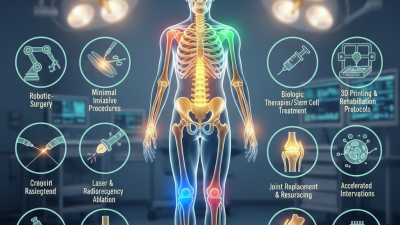
Moreover, digital tools are enhancing surgical techniques. 3D printing, for example, allows for customized implants tailored to individual needs. This personalization can lead to faster recovery times. However, reliance on technology can create challenges.
Training staff to use new systems is critical but sometimes inadequate. Regular assessments of these tools can prevent them from becoming outdated and ensure optimal patient care.
Establishing a feedback loop is essential. Encourage patients to share their experiences with digital care. This insight can highlight areas needing improvement in service delivery.
Embracing digital solutions while acknowledging their limitations can enhance orthopedic trauma care significantly.
Role of Digital Technologies in Enhancing Patient Outcomes
Digital technologies have transformed orthopedic trauma care, offering innovative solutions that enhance patient outcomes. By leveraging telemedicine, surgical planning applications, and wearable devices, healthcare providers can monitor patients more effectively. This real-time data collection supports timely decision-making and personalized treatment plans.
Remote consultations can help patients better understand their conditions. They increase access to expert advice, which is crucial for those in rural areas. However, challenges exist. Not all patients have the same level of digital literacy. Some may struggle to use technology, which can hinder communication. Additionally, the reliance on these tools raises concerns about data security and privacy.
Wearable devices, for instance, can track recovery metrics post-surgery. They provide insights into patient activity and adherence to rehabilitation protocols. Yet, data overload can confuse both patients and doctors. Balancing technology with traditional care methods may be necessary to ensure a holistic approach to recovery. Continuous evaluation of these digital tools is vital for improving orthopedic trauma care.
Best Practices for Data Utilization in Orthopedic Trauma Care
In orthopedic trauma care, data utilization plays a crucial role. Effective treatment relies on understanding patient outcomes and tracking recovery processes. For many practitioners, harnessing digital health records can provide insights into surgical success rates and rehabilitation efficiency. This data helps identify trends over time and pinpoints areas needing improvement.
However, not all practices effectively utilize available data. Many orthopedic teams still rely on outdated methods for data tracking. Integrating new technologies can seem daunting, especially in busy clinical environments. Yet, implementing innovative digital tools can streamline workflows. This transition requires training and a shift in mindset toward continuous improvement.
Optimizing data use also means collaborating across specialties. Sharing insights with rehabilitation teams and primary care providers can enhance patient management. Communication and integration of diverse data sources fuel a holistic approach to care. The journey toward efficient data utilization is ongoing. Reflecting on current practices and learning from both successes and setbacks is vital for growth.
Challenges and Solutions in Implementing Digital Tools in Healthcare
The integration of digital tools in orthopedic trauma care presents significant challenges and opportunities. A recent study highlighted that 70% of healthcare providers face difficulties in adopting electronic health records (EHRs). These issues often stem from user resistance and the steep learning curve associated with new technologies. In trauma cases, where timing is critical, delays due to digital tool adoption can affect patient outcomes.
Moreover, the transition to digital methods requires robust training and support systems. Approximately 60% of orthopedic departments report inadequate training as a barrier to effective digital tool implementation. When staff do not feel confident in using these technologies, the potential benefits diminish. There is also concern about data security. With 65% of hospitals experiencing cyber threats, ensuring patient information remains secure while leveraging digital tools is crucial.
On a positive note, employing digital platforms can enhance efficiency. A report indicated that hospitals utilizing telemedicine for trauma assessment saw a 30% reduction in patient wait times. Reliable data shows that digital innovations can lead to better resource allocation and improved patient care. However, the ongoing challenges of implementation require continuous reflection and adaptive strategies.
Future Trends in Digital Insights for Orthopedic Trauma Management
The landscape of orthopedic trauma management is rapidly evolving. Digital tools and data analytics are reshaping how practitioners approach patient care. Telemedicine has grown in importance, allowing specialists to manage cases remotely. It's crucial for orthopedic professionals to adapt to these changes to improve outcomes.
Predictive analytics is also gaining traction in orthopedic trauma. By analyzing patient data, healthcare providers can forecast complications before they arise. However, reliance on technology can lead to oversights. Not every algorithm is perfect, and human intuition still plays a vital role in decision-making.
Moreover, incorporating wearable technology can help monitor recovery in real-time. Patients wearing devices can provide feedback on their progress. Yet, there are challenges with data interpretation. The accuracy of readings can vary widely. As the field advances, finding the right balance between digital insights and traditional care will be essential.