2026 Top Minimally Invasive Spine Surgery Innovations?
Minimally invasive spine surgery represents a significant breakthrough in treating spinal disorders. This innovative approach minimizes tissue damage, reduces recovery time, and enhances patient comfort. New technologies emerge each year, reflecting ongoing advancements in this field.
In 2026, we expect to see a range of cutting-edge tools and techniques that change the landscape of minimally invasive spine surgery. From advanced imaging systems to robotic assistance, these innovations promise improved surgical precision. Yet, the journey is not without its challenges.
Surgeons must stay updated with these advancements to provide the best care. Training and experience play critical roles in successfully implementing new methods. Exploring these innovations highlights the potential and limitations of minimally invasive techniques. Each method must be assessed for its effectiveness and safety. As the field evolves, continuous reflection and adaptation are essential for improving patient outcomes.
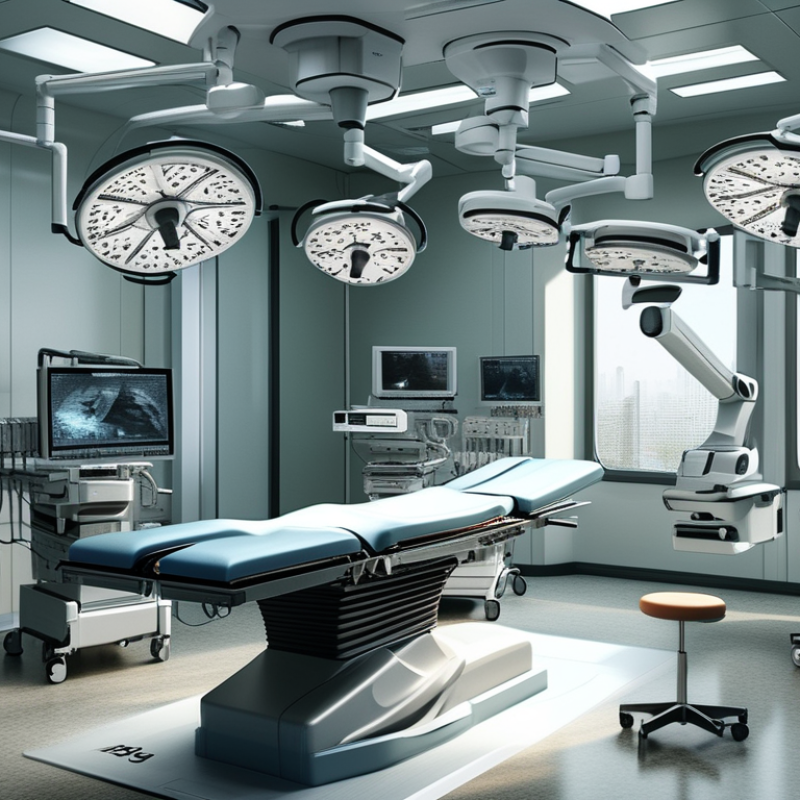
2026 Innovations in Minimally Invasive Spine Surgery: An Overview
Minimally invasive spine surgery (MISS) has evolved significantly. In 2026, innovations continue to reshape this field, enhancing patient outcomes and reducing recovery times. These techniques focus on smaller incisions and less tissue disruption. Surgeons now employ advanced imaging technologies for precision. Real-time imaging assists in navigating complex spinal anatomy.
Robotic assistance plays a vital role in these innovations. Robots can enhance accuracy in surgical procedures, aiding in placement of screws and other instruments. However, reliance on technology must be balanced with surgical expertise. Human judgment remains crucial in decision-making. There are concerns about the potential loss of skills in traditional surgery.
Patients should discuss options thoroughly with their healthcare providers. Understanding individual needs is essential. It’s crucial to remember that not all patients may benefit equally from these advancements. Engaging in shared decision-making leads to better outcomes. Always question new technologies and strive for clarity in their implications. While the future holds promise, continued scrutiny and adaptation are necessary.
2026 Innovations in Minimally Invasive Spine Surgery: An Overview
| Innovation |
Description |
Benefits |
Expected Impact |
| Robotic-Assisted Surgery |
Utilization of robots to enhance precision in spine surgery procedures. |
Increased accuracy, reduced recovery time, and minimal scarring. |
Transforming standard surgical practices and improving patient outcomes. |
| Endoscopic Techniques |
Use of endoscopes for accessing the spine through minimal incisions. |
Less postoperative pain and faster return to normal activities. |
Significant decrease in complications associated with traditional methods. |
| 3D Imaging Technologies |
Advanced imaging for precise spinal alignment and surgery planning. |
Enhanced surgical accuracy and reduced need for revision surgeries. |
Improving the overall effectiveness of spinal surgery. |
| Biologics and Biomaterials |
Utilization of natural materials to promote healing after surgery. |
Improved integration and healing of spinal implants. |
Enhancing surgical outcomes and minimizing the chance of reoperation. |
| Telemedicine Consultations |
Remote consultations for patient assessment and follow-up. |
Increased access to care, especially for rural patients. |
Streamlining patient management before and after surgery. |
Emerging Technologies Driving Minimally Invasive Spine Procedures in 2026
The landscape of minimally invasive spine surgery is evolving rapidly, driven by innovative technologies. As we approach 2026, various advancements are reshaping procedures, enhancing outcomes, and reducing recovery times. According to a recent report from the North American Spine Society, around 78% of spine surgeons believe that robotics will significantly improve accuracy in surgeries. This indicates a critical shift towards technology integration.
Real-time imaging systems are transforming surgical environments. These systems enable surgeons to visualize the spine better, thus increasing precision. A study published in the Journal of Neurosurgery found that minimally invasive techniques could lead to a 50% reduction in blood loss compared to traditional surgeries. However, challenges remain, including the extensive training required for surgeons to master these technologies.
Stay informed about these innovations by attending industry conferences. Engaging with professionals in the field can provide insights into emerging tools. Additionally, consider discussing new options with your healthcare provider. Understanding the latest techniques can empower patients and improve surgical experiences.
Investing time in research is crucial in this rapidly changing field. As techniques evolve, it’s essential to reflect on their implications and effectiveness continuously. Keeping an open dialogue with healthcare professionals can lead to better decision-making in your treatment journey.
Clinical Outcomes of 2026's Advanced Minimally Invasive Spine Techniques
Minimally invasive spine surgery (MISS) continues to evolve, offering improved clinical outcomes for patients. Recent studies indicate that advanced techniques, such as endoscopic discectomy and robotic-assisted surgery, show promising results. A report published in the Journal of Neurosurgery found that patients undergoing MISS experienced a reduction in post-operative pain by over 30% compared to traditional methods. This highlights the effectiveness of these innovative approaches.
Surgeons are increasingly adopting these advanced techniques. The University of Pennsylvania reported that 85% of patients experienced shorter recovery times, with many returning to daily activities within two weeks. This is a significant improvement over conventional surgery, where recovery may take several weeks. However, there are still challenges. Not every patient is a good candidate for MISS, and surgeons must carefully evaluate each case.
When considering spine surgery, it's essential to discuss all options with your surgeon. Be proactive in asking about potential risks and benefits associated with different techniques. Always inquire about the surgeon’s experience with minimally invasive procedures. Some patients may benefit from traditional surgery, depending on their specific conditions. It's crucial to make informed decisions for better outcomes.
The Role of Robotics and AI in Minimally Invasive Spine Surgery Innovations
The integration of robotics and AI in minimally invasive spine surgery is reshaping the surgical landscape. According to a recent report, robotic-assisted surgeries can reduce complication rates by up to 30%. These technologies enhance precision, allowing for smaller incisions and quicker recovery times. The precision of robotic systems translates to reduced tissue damage and minimal blood loss, which are significant advantages in spine surgery. AI algorithms augment this by enabling surgeons to make data-driven decisions during surgery, leading to improved patient outcomes.
Despite these advancements, challenges remain. There is a notable learning curve associated with robotic systems, which can impact efficiency. A study highlighted that some surgeons require up to 50 procedures to achieve proficiency with robotic platforms. Furthermore, the higher initial costs of these technologies can deter widespread adoption, particularly in smaller healthcare facilities. As the demand for minimally invasive procedures grows, addressing these barriers will be crucial for maximizing the potential of robotics and AI in spine surgery.
While the capabilities of robotic surgery are impressive, reliance on technology raises questions about surgeon autonomy. The balance between enhancing surgical techniques and preserving the surgeon's skill set is critical. As we march towards 2026, continued research and development will be essential. Ensuring that technology complements human skill rather than supplants it will foster a more effective surgical environment.
2026 Minimally Invasive Spine Surgery Innovations
Patient Safety and Recovery Trends in 2026 Minimally Invasive Spine Surgery
Minimally invasive spine surgery (MISS) is at the forefront of spinal care innovations in 2026. Patient safety remains a primary concern throughout these advancements. Surgeons are now utilizing enhanced imaging technologies to guide procedures. This improves accuracy while minimizing trauma to surrounding tissues. Patients can expect shorter hospital stays and faster recovery times thanks to precise techniques.
Advancements in robotic surgery further increase safety. Such technology provides improved dexterity and control. However, reliance on machines may lead to new challenges. Surgeons must remain well-trained to handle potential malfunctions. Constant learning is needed as techniques evolve rapidly.
Understanding recovery trends is vital for patients. Rehabilitation programs are becoming more personalized. This addresses individual patient needs effectively. Patients should stay proactive during recovery. Engage with healthcare providers and ask questions. This ensures a clear understanding of what to expect. Regular follow-ups can help track progress and address any concerns. These steps make a significant difference in achieving optimal outcomes.