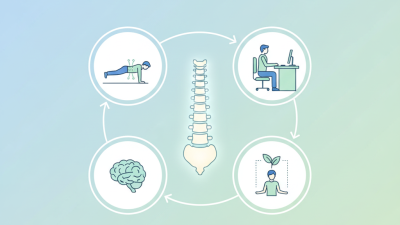
10 Essential Tips for Effective Spinal Disorder Treatment Strategies?
In the realm of spinal disorder treatment, the insights of leading experts are invaluable. Dr. Emily Carter, a renowned orthopedic specialist, once stated, “Effective treatment requires a holistic approach tailored to each patient.” This emphasizes the need for personalized strategies in managing spinal disorders.
Spinal disorders affect countless individuals, leading to chronic pain and mobility issues. A thorough understanding of various treatment options is crucial. Patients often underestimate the significance of early intervention and a customized care plan. Relying solely on medication can overlook essential holistic therapies.
Moreover, integrating physical therapy and lifestyle changes enhances recovery. Some may find it challenging to adapt to these methods. Yet, commitment to a balanced routine can yield substantial benefits. As we delve deeper into effective spinal disorder treatment strategies, remember the journey is not solely medical. Psychological support and patient education play pivotal roles in healing.
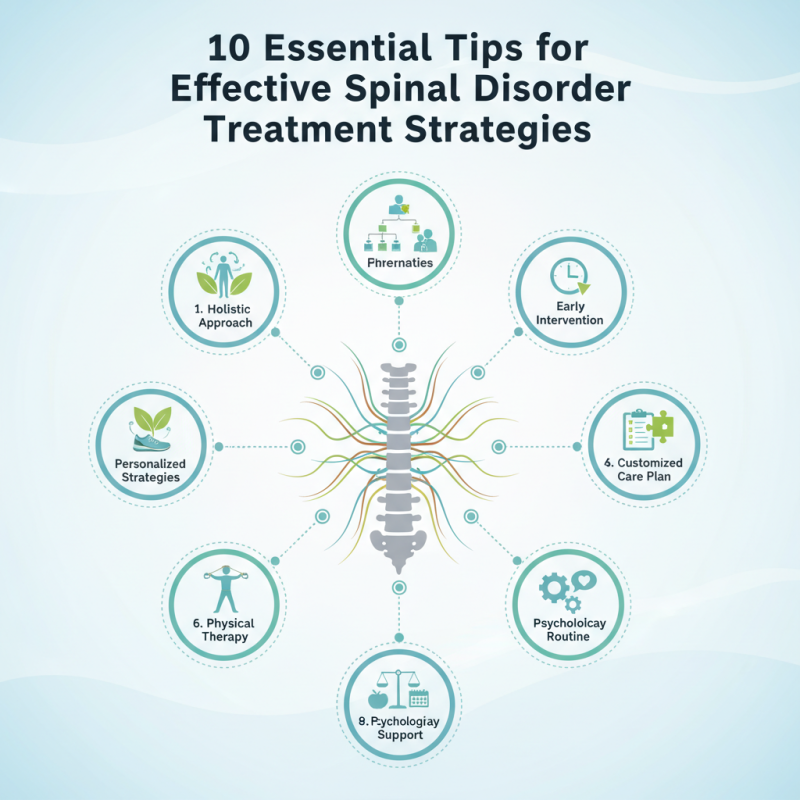
Understanding Spinal Disorders: Types and Symptoms
Understanding spinal disorders is crucial for effective treatment strategies. These conditions can arise from various causes, affecting different parts of the spine. Common types include herniated discs, scoliosis, and spinal stenosis. Each of these disorders presents unique symptoms that can significantly impact daily life.
Patients may experience pain, tingling, or weakness due to nerve involvement. A herniated disc often leads to radiating pain down the legs. Scoliosis might not cause pain but can lead to postural problems. Spinal stenosis typically brings about leg pain during walking, which can limit mobility. Recognizing these symptoms early is vital for appropriate intervention.
Many individuals struggle to identify their pain as a spinal disorder. It can sometimes feel like a nuisance rather than a medical concern. In some cases, patients might delay seeking help out of uncertainty or fear. Understanding these conditions can empower individuals to seek timely treatment. Education involves acknowledging the complexity of spine health while remaining open to different treatment options.
Importance of Accurate Diagnosis in Spinal Disorders
Accurate diagnosis is vital in treating spinal disorders effectively. Research indicates that around 80% of chronic back pain cases stem from undiagnosed conditions. Recognizing the precise source of pain is crucial. Misdiagnosis can lead to inappropriate treatment plans, prolonging discomfort and hindering recovery. Studies show that patients with specific diagnoses, like herniated discs, respond better to targeted therapies.
Failure to pinpoint the correct issue can result in significant treatment delays. For instance, a report by the American Academy of Orthopaedic Surgeons states that timely diagnosis can reduce recovery time by up to 30%. Imaging techniques like MRI and CT scans play a significant role in achieving accurate assessments. Without proper imaging, subtle but critical conditions may go unnoticed.
Mistakes in diagnosis can stem from overlooked symptoms, such as nerve involvement or muscle imbalances. These factors can obscure the clinical picture. Clinicians must remain vigilant and engage in thorough assessments. Even experienced professionals make errors. Continuous education and collaboration among specialists can enhance diagnostic accuracy. Fostering a multidisciplinary approach is essential in overcoming diagnostic challenges.
10 Essential Tips for Effective Spinal Disorder Treatment Strategies
| Tip Number |
Treatment Strategy |
Importance |
Expected Outcome |
| 1 |
Complete Diagnosis |
Identify primary issues |
Customized treatment plan |
| 2 |
Physical Therapy |
Strengthen muscles |
Improved mobility |
| 3 |
Medication Management |
Pain relief |
Enhanced quality of life |
| 4 |
Chiropractic Care |
Realignment of spine |
Reduced discomfort |
| 5 |
Surgical Options |
Correct structural problems |
Permanent relief for severe cases |
| 6 |
Lifestyle Modifications |
Reduce strain on spine |
Long-term spine health |
| 7 |
Regular Monitoring |
Track progress |
Adjust treatment as needed |
| 8 |
Alternative Therapies |
Explore holistic options |
Comprehensive pain management |
| 9 |
Patient Education |
Equip patients with knowledge |
Improved self-care |
| 10 |
Team Approach |
Collaborative care model |
Holistic treatment experience |
Treatment Options: Non-Surgical Approaches for Spinal Health
Non-surgical approaches to spinal health can be effective for many individuals.
Physical therapy is often the first line of treatment. It focuses on
strengthening muscles that support the spine and improving flexibility. This hands-on method can help alleviate pain caused by muscle
tension or incorrect posture. A trained physical therapist can tailor a program to fit specific needs and limitations.
Chiropractic care is another non-surgical option. Chiropractors use manual
adjustments to realign the spine. This treatment may not be suitable for everyone, but many find relief from chronic pain and discomfort.
Mindfulness practices, such as yoga and meditation, can also play a role in spinal health. These practices promote relaxation
and may decrease stress, indirectly benefiting spinal conditions.
However, some might not respond well to these techniques. Results can be inconsistent,
and patience is often required. It’s essential to communicate openly with healthcare providers about what is and isn’t working.
Experimentation with various methods can lead to personalized care. Listening to your body will help guide you toward effective treatment solutions.
Surgical Interventions: When Are They Necessary?
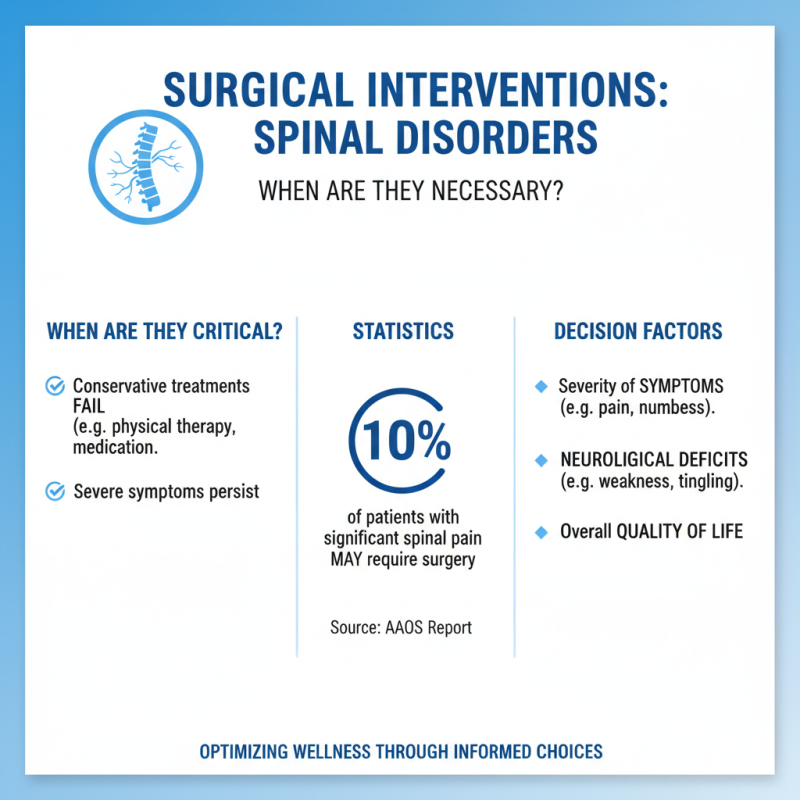
Surgical interventions for spinal disorders are often critical when conservative treatments fail. According to a report by the American Academy of Orthopaedic Surgeons, around 10% of patients with significant spinal pain may require surgery. This decision hinges on specific factors, including the severity of symptoms, neurological deficits, and the overall quality of life.
When evaluating the necessity for surgery, it’s essential to explore all conservative options first. Physical therapy, pain management, and lifestyle changes can provide relief without invasive procedures. Those who experience symptoms like weakness, numbness, or loss of bladder control should seek immediate evaluation. These signs may indicate a more serious condition that requires surgical attention.
Effective spinal disorder treatment strategies include understanding when to opt for surgery. Discuss potential benefits and risks with healthcare professionals. Keeping a close eye on your symptoms can also guide decisions toward surgery. If conservative measures do not yield results, openly considering surgical options is prudent. Always consult with specialists who have experience in spinal care for the best outcomes.
Rehabilitation and Lifestyle Changes for Enhanced Recovery
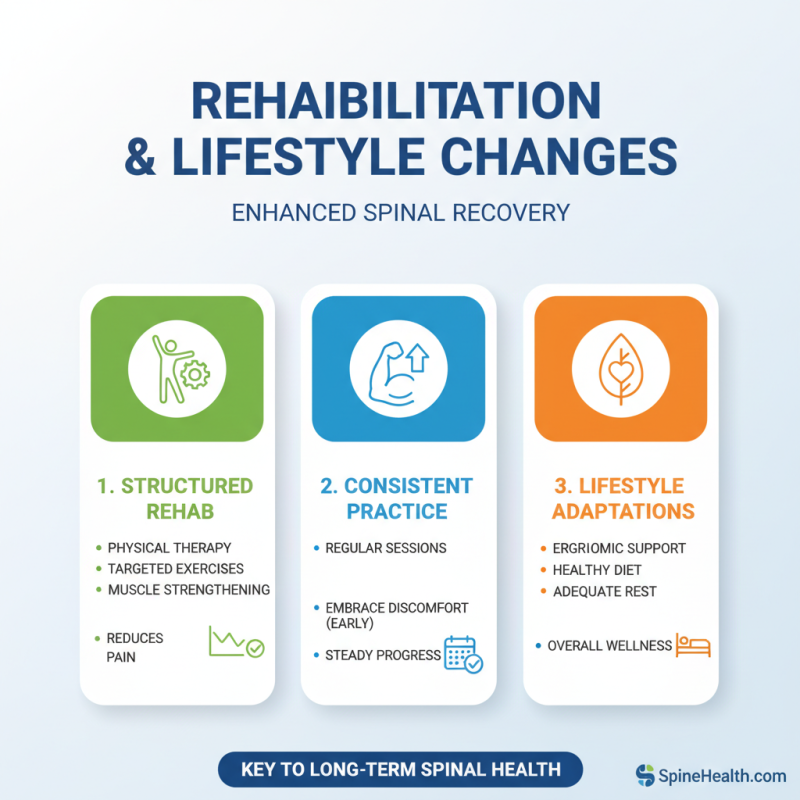
Rehabilitation plays a crucial role in recovery from spinal disorders. A structured rehabilitation program can include physical therapy. Engaging in targeted exercises helps strengthen spinal support muscles. This can significantly reduce pain over time. Consistent practice is key. Discomfort during initial sessions is common. It’s a sign your body is adjusting, but progress will follow.
Lifestyle changes can enhance recovery even further. Maintaining a healthy weight reduces stress on the spine. Proper ergonomics in daily activities matters too. Adjust your work environment for adequate support. Simple changes, like using chairs that support your lower back, can make a difference. Additionally, incorporating regular low-impact activities, such as walking or swimming, can aid mobility while minimizing strain.
Mindfulness and stress reduction techniques deserve attention. Practices like yoga can improve flexibility and promote mental well-being. It’s vital to listen to your body. If certain movements cause pain, adjust your routine accordingly. Track your progress. Celebrate small victories, yet recognize setbacks may occur. Embracing a holistic approach to recovery often leads to better outcomes.