How to Choose the Best Surgical Implants for Your Needs?
Choosing the right surgical implants is crucial for optimal recovery and long-term health. Surgical implants can significantly impact your life, from restoring function to improving appearance. However, with many options available, it can be overwhelming.
Understanding your specific needs is key. Consult with experienced healthcare professionals who can provide guidance based on your medical history and lifestyle. Different implants come with varying material compositions, shapes, and functions. Factors like compatibility, durability, and risk of complications must be considered.
Awareness of potential drawbacks is also important. Not all implants suit every individual. Some may lead to infections or rejection issues. Reflecting on these points can aid you in making an informed decision. Remember, the choice of surgical implants is not just about aesthetics; it’s about enhancing your life quality. Take your time to evaluate your options carefully.
Understanding Different Types of Surgical Implants Available Today
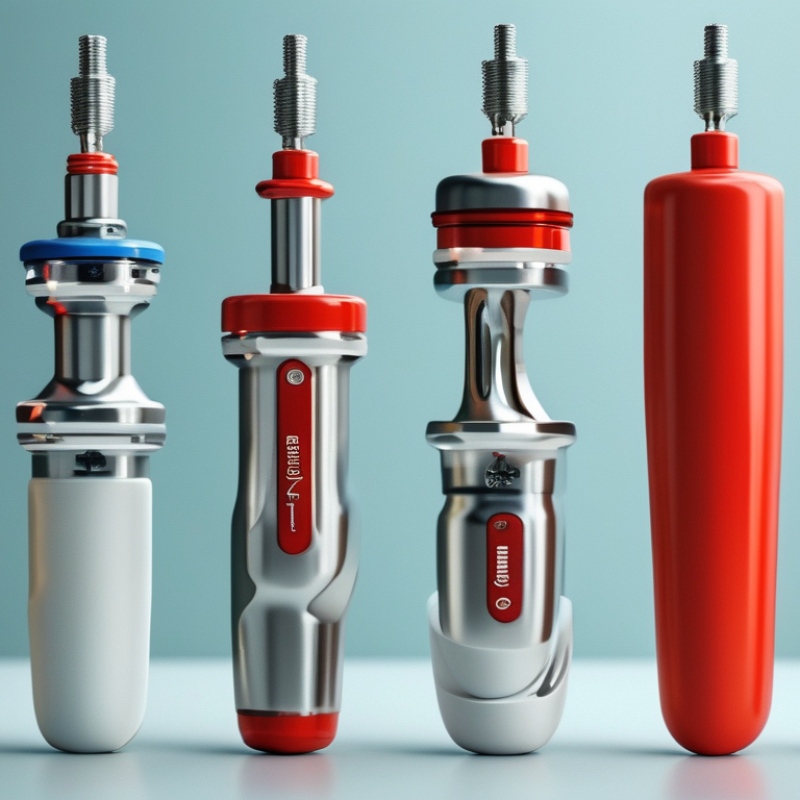
When considering surgical implants, it's essential to understand the different types available today. Common categories include orthopedic implants, dental implants, and cardiovascular devices. According to a market research report, the global orthopedic implant market is projected to reach $50 billion by 2028, reflecting a growing demand for joint replacements and fracture fixation devices.
Orthopedic implants, such as plates and screws, provide stability and support during recovery. Dental implants serve to replace missing teeth, improving both function and aesthetics. The cardiovascular sector offers devices like stents and pacemakers, which enhance circulation and heart function. Each type has unique materials and designs tailored to specific medical needs.
**Tip:** Always consult with a healthcare professional to identify the most suitable implant type for your condition.
While advancements have led to improved implant longevity and biocompatibility, issues remain. Complications such as infection or implant rejection can occur. Research indicates that approximately 5-10% of patients experience complications within the first year.
**Tip:** Regular follow-ups are crucial for monitoring the condition of your implant.
Understanding these different implants can facilitate informed discussions with your healthcare provider. The right choice can significantly affect recovery and quality of life.
How to Choose the Best Surgical Implants for Your Needs? - Understanding Different Types of Surgical Implants Available Today
| Implant Type |
Material |
Common Uses |
Longevity |
Cost |
| Silicone Implants |
Silicone gel |
Breast augmentation and reconstruction |
10-15 years |
$5,000 - $10,000 |
| Titanium Implants |
Titanium alloy |
Dental implants and orthopedic devices |
20-30 years |
$3,000 - $6,000 |
| Polyurethane Foam Implants |
Polyurethane |
Bone replacement and joint reconstructions |
15-20 years |
$4,000 - $8,000 |
| Ceramic Implants |
Zirconia |
Dental and orthopedic surgery |
10-20 years |
$2,000 - $5,000 |
| Composite Implants |
Plastic and metal combinations |
Varied applications including hernia repairs |
15 years |
$2,500 - $6,000 |
Evaluating Your Personal Medical Needs for Implant Selection
Choosing the right surgical implants requires careful consideration of your personal health needs. Every individual's medical situation is distinct, which can significantly affect implant selection. According to the American Academy of Orthopaedic Surgeons, about 70% of patients report higher satisfaction rates when implants are tailored to their unique anatomy and lifestyle. It is essential to share comprehensive medical history with your healthcare provider.
Consider factors such as age, activity level, and existing health conditions. For instance, younger patients may benefit from stronger materials for greater mobility, while older patients might prioritize ease of recovery. A study published in the Journal of Bone and Joint Surgery found that 40% of implant failures occur within the first five years post-surgery, often linked to inadequate patient-provider communication regarding needs.
Moreover, one must also reflect on potential complications related to implants. Data shows that around 5% of patients experience adverse reactions. Engaging in discussions about risks and benefits is crucial. Your doctor can provide insights based on clinical experience and research. Evaluating personal needs involves weighing these complexities, ensuring that the final decision aligns with both health and lifestyle goals.
Consulting Healthcare Professionals for Expert Advice
When considering surgical implants, seeking expert advice is crucial. Healthcare professionals bring a wealth of experience and knowledge. They provide insights based on current medical research and clinical outcomes. In a recent study, over 70% of patients reported improved satisfaction when guided by professionals during their implant selection process.
Experts evaluate your medical history and specific needs. They assess factors such as age, lifestyle, and overall health. The nuances of surgical implants require attention. Not all implants are suitable for every individual. For instance, a report highlighted that certain materials could lead to complications in 15% of patients with specific conditions. This underscores the importance of tailored recommendations.
Moreover, consulting with specialists can reveal the latest advancements in implant technology. Many patients remain unaware of innovative options. Data shows that effective communication between patients and professionals can foster informed decisions. However, misunderstandings can occur, leading to suboptimal choices. Reflecting on personal experiences can help improve future consultations. Prioritizing informed discussions with healthcare professionals is essential for optimal outcomes.
Understanding the Risks and Benefits of Various Implants
When considering surgical implants, understanding their risks and benefits is crucial. Recent studies indicate that nearly 25% of patients experience complications within the first year of surgery. Common issues include infections and implant failure, which can lead to additional procedures. The American Journal of Surgery highlights that patients should discuss possible outcomes with their healthcare providers to understand the likelihood of these risks.
Different types of implants come with unique advantages. For instance, metallic implants tend to offer better durability but may increase the risk of allergic reactions in some individuals. A report from the Journal of Biomedical Materials Research shows that polymer-based implants often lead to quicker recovery times but can wear down more quickly. Patients must weigh these factors when choosing an implant type. This decision should be based on personal health conditions and lifestyle needs.
Effective communication with healthcare professionals can ensure that patients make informed choices. However, data suggests that many people feel overwhelmed by the plethora of options available. It's essential for patients to ask questions and seek second opinions. This approach can reveal more about one's choices and clarify the potential long-term implications of selecting certain implants. It's not just about immediate results; future health scenarios should also be part of the conversation.
How to Choose the Best Surgical Implants for Your Needs?
This chart illustrates the satisfaction rates for different types of surgical implants, showcasing the perceived effectiveness and preference of patients based on real-world data. Each implant type's performance can help guide you in choosing the best surgical option for your needs.
Making an Informed Decision: Factors to Consider Before Surgery
Choosing the right surgical implants is a critical decision. Many factors influence this choice, and it is essential to weigh them carefully. Your doctor plays a vital role in guiding you through the options. Always seek their expert opinion to ensure you understand the implications of your choice.
Consider your specific medical needs. Different implants serve various purposes, such as providing support or enhancing function. Your health history also matters. Past surgeries or conditions can affect implant compatibility. Take time to discuss these with your healthcare provider. Understand the benefits and risks involved.
Personal preferences should not be overlooked. Some may prioritize durability, while others focus on comfort. It’s crucial to reflect on what matters most to you. Engage in open dialogues with your care team. Ask questions about the materials used and the recovery process. This is not just a choice for today; it affects your future well-being.