Top 10 Spinal Injury Treatment Options You Need to Know?
Spinal injuries can drastically affect one’s quality of life. In the United States alone, over 17,000 new spinal cord injuries occur each year. The complexity of spinal injury treatment demands a multifaceted approach. Advancements in medical technology and rehabilitation are crucial for effective recovery.
Understanding various treatment options is essential for patients and medical professionals alike. Research shows that early intervention and personalized care plans significantly improve outcomes. The American Association of Neurological Surgeons emphasizes the importance of evidence-based practices in spinal injury treatment.
While there are many treatments available, not all provide the same level of success. Some may cause more harm than good if not properly assessed. Patients must be informed and engaged in their treatment journey. Openness about potential outcomes can lead to better decision-making. Knowledge is power in navigating the complexities of spinal injury treatment.
Understanding Spinal Injuries: Types and Causes
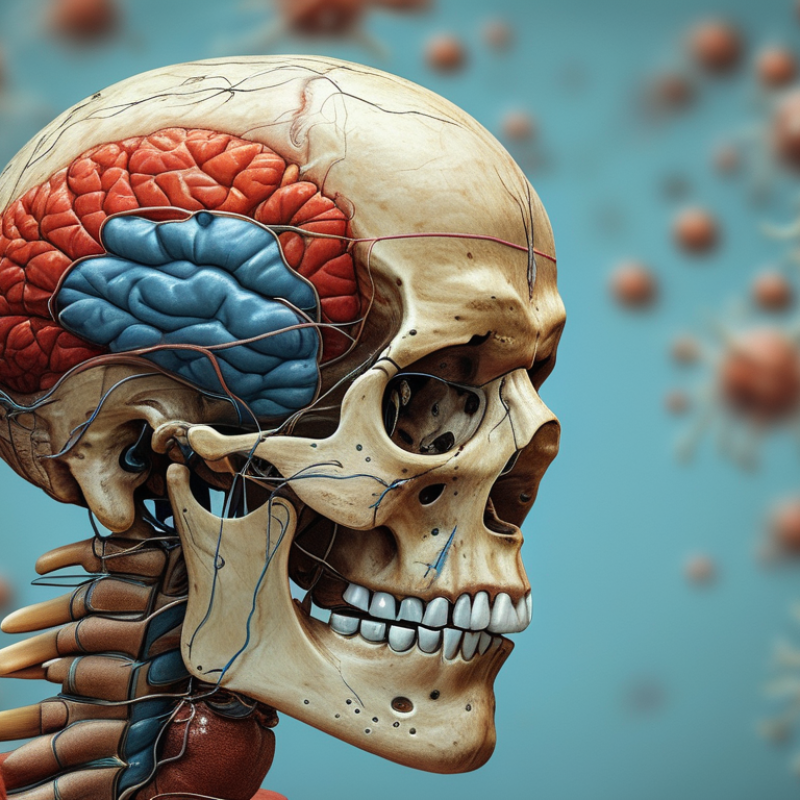
Spinal injuries can arise from various causes, affecting individuals in profound ways. Common types include herniated discs, fractures, and spinal cord damage. Trauma from car accidents, falls, or sports injuries often leads to these conditions. Understanding the root cause is crucial for effective treatment.
Symptoms can vary widely. Some may experience intense pain, while others might struggle with mobility. Injuries like paraplegia or quadriplegia highlight the severity of spinal issues. Comprehensive assessments, including imaging tests, help in diagnosing. Pain management and physical rehabilitation are essential for recovery.
In light of the complexities surrounding spinal injuries, seeking professional guidance is vital. Often, traditional treatments fall short. Exploring emerging therapies becomes necessary. Continuous learning about recovery options can empower patients and improve outcomes. Each case is unique, requiring tailored approaches and ongoing evaluation.
Top 10 Spinal Injury Treatment Options
Conservative Treatment Options for Spinal Injuries
Conservative treatment options for spinal injuries involve a variety of methods aimed at alleviating pain and promoting recovery. Physical therapy is a cornerstone of this approach. It helps patients regain strength and flexibility. Specialized exercises can enhance mobility and support recovery. These sessions are tailored to individual needs, making each treatment unique.
Another effective option is medication management. Nonsteroidal anti-inflammatory drugs (NSAIDs) can reduce swelling and relieve pain. Opioid medications may be prescribed for severe discomfort, but they come with risks. Finding the proper balance is crucial. Additionally, heat and cold therapy can help ease tension and inflammation.
Alternative therapies, like acupuncture or chiropractic care, are also worth exploring. Some patients find relief through these methods. However, results can vary. It is essential to consult health professionals to discuss potential benefits and risks of any treatment option. Balancing various conservative treatments is key to effective recovery from spinal injuries. Keeping an open mind and being patient with the process is vital.
Surgical Interventions: When and Why They Are Necessary
Spinal injuries often require surgical interventions, especially in acute cases. Approximately 30% of patients with severe spinal injuries benefit from surgery. This intervention can alleviate pressure on the spinal cord, stabilize damaged vertebrae, and restore functionality. Neurosurgeons recommend surgery when there's significant instability or compression present. In the case of traumatic injuries, early surgery can improve outcomes, reducing long-term disability.
Procedures like spinal fusion or decompression surgery aim to relieve pain and enhance mobility. However, surgery carries risks. Complications could include infection, bleeding, or nerve damage, raising valid concerns among patients. Data suggest that about 15% of surgical patients may experience adverse effects. Understanding these risks is crucial as patients weigh their options.
In the context of spinal injuries, rehabilitation following surgery is just as vital. The recovery process is often long and requires a multidisciplinary approach. Patients might find themselves facing setbacks during rehabilitation, leading to frustration. It is essential to remain adaptable during recovery, as healing is not linear. Each step taken must be approached with realistic expectations and patience.
Rehabilitation and Physical Therapy Approaches
Rehabilitation and physical therapy play a vital role in spinal injury recovery. Tailored exercise programs are essential. They help to regain strength and improve mobility. A skilled therapist often designs these programs. They consider the patient’s specific needs and limitations. Engaging in regular, supervised sessions can foster significant progress. Patients learn to perform exercises safely and effectively. This can make a considerable difference in their rehabilitation journey.
Manual therapy is another key approach. This includes hands-on techniques that target muscle tension and joint mobility. Therapists may use soft tissue mobilization or joint manipulation. These methods can relieve pain and enhance range of motion. Additionally, education about body mechanics is crucial. Patients must understand how to move correctly to avoid further injury.
Emotional support is often overlooked in physical rehabilitation. Spinal injuries can lead to feelings of isolation and frustration. Group therapy can provide a space for shared experiences. This support system helps patients feel understood and motivated to continue. Every individual's journey is unique, and setbacks may occur. Reflecting on progress, even in small increments, can be encouraging. It is important to focus on the steps forward, despite challenges.
Top 10 Spinal Injury Treatment Options You Need to Know
| Treatment Option |
Description |
Effectiveness |
Duration |
| Physical Therapy |
Restorative exercises to improve mobility and strength. |
High |
6-12 weeks |
| Occupational Therapy |
Support in performing daily activities and adapting techniques. |
Medium |
3-6 months |
| Medication |
Anti-inflammatory and pain relief medications. |
Variable |
As needed |
| Chiropractic Care |
Spinal manipulations to enhance alignment and mobility. |
Medium to High |
Ongoing |
| Surgery |
Surgical interventions to stabilize or decompress the spine. |
High |
Variable |
| Massage Therapy |
Manual manipulation to alleviate muscle tension. |
Medium |
As needed |
| Acupuncture |
Traditional method to relieve pain through needle insertion. |
Medium |
Ongoing |
| Hydrotherapy |
Water-based exercises to reduce pain and aid recovery. |
Medium to High |
Varies |
| Bracing |
Supportive devices to limit movement and provide stability. |
Variable |
As recommended |
| Electrotherapy |
Use of electrical stimulation to reduce pain and promote healing. |
Medium |
Ongoing |
Emerging Treatments and Research in Spinal Injury Care
Emerging treatments for spinal injuries show promising potential. Recent studies highlight advancements in stem cell therapy, which aims to repair damaged spinal tissue. A 2022 report by the National Institute of Health suggests that stem cell applications can enhance recovery in certain cases by promoting tissue regeneration. This offers hope to patients who previously faced limited options.
Additionally, neurostimulation techniques are gaining attention. Research indicates that spinal cord stimulation can significantly enhance motor function. In trials, about 60% of participants reported improved mobility. This method involves implanting devices that send electrical pulses to the spinal cord, prompting recovery pathways. The effectiveness varies, raising questions about patient selection and long-term outcomes.
As we explore these options, it is crucial to acknowledge the gaps in research. While some treatments show promise, their application can be inconsistent. The recovery journey is often complex, requiring a multidisciplinary approach. Addressing these challenges will enhance our understanding and treatment of spinal injuries.