How to Effectively Treat Bone Fractures at Home?
When facing a bone fracture, effective home treatment can be vital. Dr. Sarah Mitchell, a leading expert in bone fracture treatment, states, "With the right knowledge, many fractures can be managed effectively at home." Understanding how to care for a fracture is crucial for a quicker recovery.
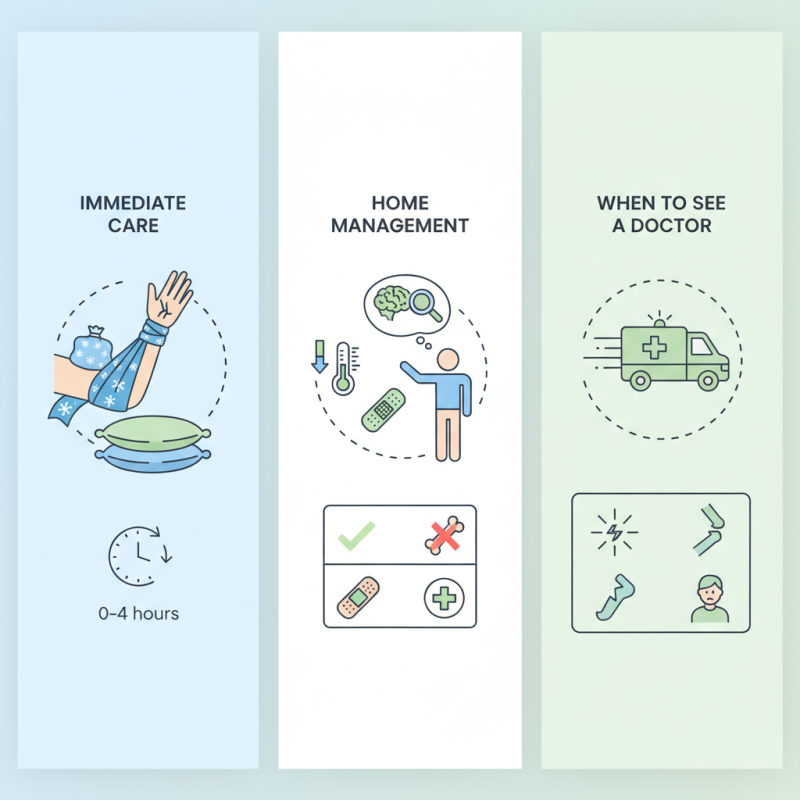
Many people overlook the importance of immediate care. Securing the fracture and controlling swelling is essential in the first few hours. This can often be the key to a successful healing process. Ice packs and elevation of the injured area can significantly reduce inflammation.
However, home treatment has its limits. It is critical to recognize when professional medical help is necessary. While many fractures can be managed at home, some require expert intervention. Knowing your body and symptoms can guide you toward the right choice. Ultimately, being informed and aware can lead to better outcomes in bone fracture treatment.
Understanding Bone Fractures: Types and Symptoms to Recognize
Bone fractures can happen to anyone. Recognizing the type of fracture is crucial for treatment. There are different kinds of fractures: closed, open, hairline, and comminuted. Closed fractures do not pierce the skin. Open fractures, however, expose the bone. Hairline fractures are small and often overlooked. Comminuted fractures break the bone into multiple pieces.
Symptoms vary depending on the type and location of the fracture. Pain is the most common symptom. It may feel sharp or throbbing. Swelling and bruising often follow the injury. Sometimes, the injured area may appear deformed or misaligned. Patients may also experience difficulty moving the affected limb.
Realizing these signs can aid in timely treatment. An initial assessment is vital. Avoid jumping to conclusions based solely on assumptions. Fractures may not always be obvious. In some cases, you might need medical imaging to confirm a fracture. Listening to your body’s signals and understanding these symptoms is essential for proper care.
Bone Fracture Types and Their Prevalence
Essential First Aid Steps for Initial Treatment of Bone Fractures
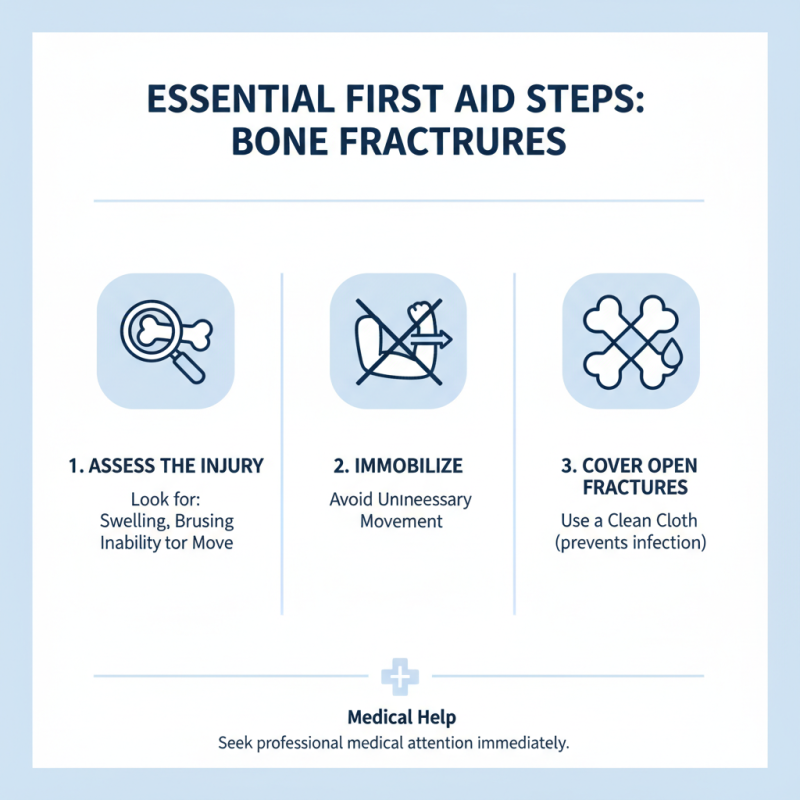
When dealing with a bone fracture at home, prompt action is crucial. Begin by assessing the injury carefully. Look for swelling, bruising, and inability to move the affected area. Avoid unnecessary movement to prevent further damage. If the fracture is open and the bone is visible, cover it with a clean cloth to reduce the risk of infection.
Immobilization is essential. Use a splint made from rigid materials like wood or cardboard. Secure it gently with strips of cloth or bandages, ensuring it doesn’t restrict circulation. Ice can help minimize swelling; apply it over the injury for 15-20 minutes. Be cautious not to place ice directly on the skin, as it can cause frostbite.
Pain management is vital as well. Over-the-counter pain relievers may offer some relief. However, evaluate the pain regularly. If it worsens, reevaluate your methods. It's common to feel overwhelmed or unsure in these situations - trust your instincts while seeking professional help. Ultimately, proper initial treatment at home can make a significant difference in the healing process, but always consult a healthcare professional for comprehensive care.
Home Treatment Options: RICE Method for Fracture Management
When dealing with bone fractures at home, the RICE method is a practical approach. RICE stands for Rest, Ice, Compression, and Elevation. This method can significantly reduce swelling and pain during the initial healing stages. Begin by resting the injured area to prevent further damage.
Avoid using it as much as you can, even if it feels manageable. Sometimes, we underestimate the power of rest.
Applying ice is crucial. Wrap ice in a cloth and apply it to the fracture for about 20 minutes every hour. This can help numb the pain and diminish swelling.
Remember not to apply ice directly to the skin. It may seem like a simple step, but many forget the basics and opt for more complicated solutions that aren't necessary. Compression is equally important. Use a bandage or wrap to apply gentle pressure around the fracture. This helps stabilize the area and reduce swelling.
Elevation can also aid recovery. Position the injured limb above heart level when resting. This simple action can help minimize swelling significantly. However, stay mindful of how your body reacts.
Elevating too much or too little can impact blood flow. Many people overlook this balance, leading to complications. Always monitor how you feel, and don’t hesitate to adjust your strategy.
Healing takes time, and listening to your body is paramount.
When to Seek Professional Medical Help for Bone Fractures
Recognizing when to seek professional medical help for a bone fracture is crucial. If the injury involves severe pain that doesn't improve with rest and ice, medical attention is needed. A visible deformity or swelling around the fracture site indicates a potential fracture. Uncontrolled bleeding at the injury site also necessitates an urgent visit to a healthcare provider.
In some cases, signs may seem minor. However, lingering pain or difficulty using the affected limb can point to a serious issue. Ignoring these symptoms can lead to long-term problems. Always consider your personal health history when deciding. If you're unsure whether to seek help, it's better to err on the side of caution. A professional evaluation can prevent complications that may arise from untreated fractures. Taking early action is always wiser than waiting to see if symptoms improve on their own.
Preventing Complications and Aiding Recovery at Home After a Fracture
In the journey of recovery from a bone fracture, home care is crucial. Proper management can prevent complications and promote healing. According to the American Academy of Orthopaedic Surgeons, about 90% of fractures heal well with appropriate home care. However, complications often arise without proper attention.
To prevent issues like infection and improper healing, keep the fractured area clean and immobilized. Use ice packs to reduce swelling and relieve pain. Studies show that elevating the injured limb can decrease discomfort. Adequate nutrition plays a significant role too; ensure that your diet is rich in calcium and vitamin D. This supports bone health during recovery.
Monitor the fracture site closely. Look for signs of increased pain, redness, or swelling, which may indicate complications. Keeping a journal can help track healing progress and any concerns. While home care is effective, follow-up with healthcare professionals is always wise. A recent report indicated that early medical intervention improves recovery outcomes significantly. Remember, healing is a journey, and every step matters.
How to Effectively Treat Bone Fractures at Home? - Preventing Complications and Aiding Recovery at Home After a Fracture
| Treatment Method |
Description |
Duration |
Potential Complications |
Recovery Aids |
| RICE Method |
Rest, Ice, Compression, Elevation to reduce swelling. |
1-3 days |
Increased swelling, delayed healing. |
Ice packs, Compression bandages, Elevation pillows. |
| Immobilization |
Use of splints or casts to keep the bone stable. |
4-8 weeks |
Infection, poor alignment. |
Casts, Splints, Mobility aids. |
| Pain Management |
Use of over-the-counter pain relievers. |
As needed |
Gastrointestinal issues, dependency. |
Pain relievers, Heat pads. |
| Physical Therapy |
Exercises to strengthen muscles around the fracture. |
2-6 weeks post-immobilization |
Re-injury, slow recovery. |
Exercise bands, Balance balls, Instructions from a physiotherapist. |
| Nutrition |
A diet rich in calcium and vitamin D to promote healing. |
Ongoing |
Malnutrition, delayed recovery. |
Calcium supplements, Meal plans. |