Best Fruit Acids for Skin Care and Health Benefits?
In the realm of skin care, "Fruit Acids" have gained significant attention for their myriad health benefits. Renowned dermatologist Dr. Anna Lee stated, “Fruit Acids can transform skin texture and boost radiance.” This statement underscores the importance of these natural ingredients in beauty regimens. From glycolic acid found in sugarcane to citric acid in citrus fruits, these compounds serve as effective exfoliants.
Utilizing "Fruit Acids" in skin care can promote cell turnover and enhance skin clarity. Many users report smoother skin after just a few applications. However, it's essential to approach their use with care. Overuse can lead to irritation, especially for sensitive skin types. Finding the right balance is crucial to reaping the benefits without adverse effects.
Moreover, understanding the source of these acids adds depth to their appeal. They are derived from fruits, which means they are generally safer alternatives to synthetic options. Yet, not all "Fruit Acids" perform equally. Some may cause more harm than good if misused. A thoughtful approach to integrating these acids into your routine can yield remarkable results, ensuring healthy, glowing skin.
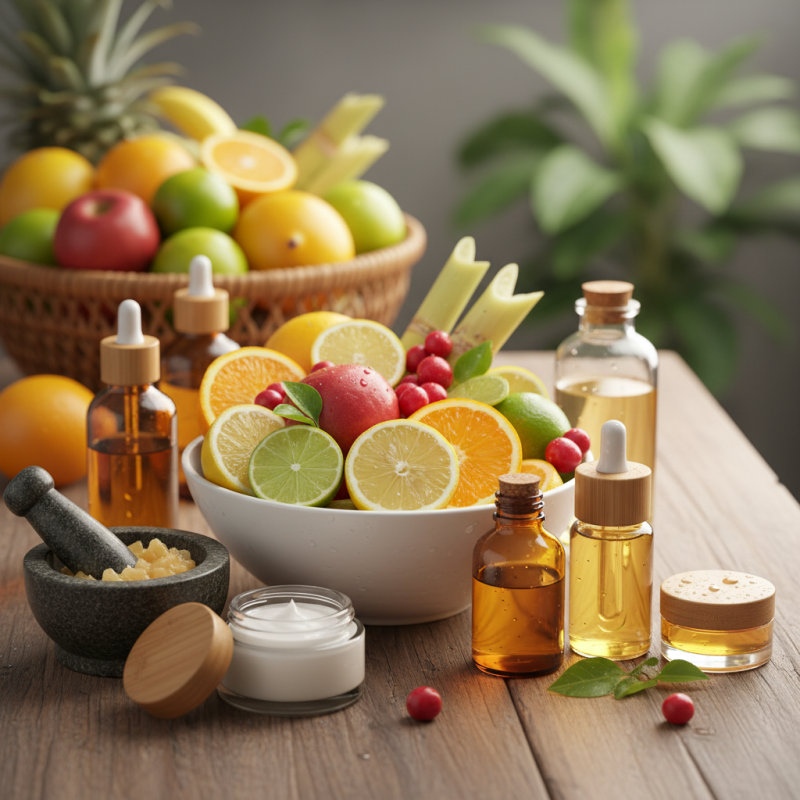
Overview of Fruit Acids and Their Uses in Skin Care
Fruit acids, also known as alpha hydroxy acids (AHAs), have gained attention in skin care. Derived from natural sources like citrus fruits, these acids exfoliate the skin effectively. They help remove dead skin cells and promote cell turnover. This process can lead to brighter, smoother skin.
In skin care, fruit acids can be used for various purposes. Many people appreciate their ability to reduce fine lines and hyperpigmentation. The exfoliation provided by fruit acids encourages deeper penetration of other skin care ingredients. However, using these acids may cause irritation for some individuals. A patch test is often recommended. Additionally, fruit acids can make skin more sensitive to sunlight, amplifying the need for sunscreen.
Different fruit acids serve unique functions. For instance, glycolic acid from sugarcane is known for its powerful exfoliating properties. Lactic acid, sourced from milk, is gentler and hydrating. Choosing the right type is crucial for effective results. It’s important to recognize that what works for one person may not work for another. This individual variability reminds us to approach skin care with mindfulness and caution.
Best Fruit Acids for Skin Care and Health Benefits
This chart illustrates the skin care benefits of various fruit acids on a scale from 1 to 10. These natural acids are widely used in skin care products for their exfoliating and rejuvenating properties.
Common Types of Fruit Acids and Their Sources
Fruit acids, also known as alpha-hydroxy acids (AHAs), are popular in skincare. They’re derived from various fruits and offer numerous benefits for the skin. Common types of fruit acids include glycolic, lactic, and citric acid. Each type originates from specific fruit sources, making them beneficial for different skin types.
Glycolic acid is commonly found in sugarcane and beet sugar. Its small molecular size allows for deep penetration, helping to exfoliate dead skin cells effectively.
Lactic acid, extracted from milk and fruits like sour cherries, is gentler and hydrates the skin. It’s suitable for sensitive skin types.
Citric acid, derived from citrus fruits such as lemons and oranges, brightens the skin and improves texture, but can be irritating for some.
While fruit acids offer many benefits, they are not without potential downsides. Overuse can lead to skin irritation or heightened sensitivity to sunlight. It's important to introduce these acids gradually. Always perform a patch test before using a new product. Understanding your skin's unique needs can ensure these acids provide the expected results.
Health Benefits of Fruit Acids for Skin
Fruit acids, also known as alpha-hydroxy acids (AHAs), are popular in skin care. They come from citrus fruits, grapes, and apples. These natural acids offer several skin health benefits backed by research. A study published in the Journal of Dermatological Treatment highlights that AHAs can improve skin texture and reduce fine lines. Over 50% of participants noticed clearer skin after a six-week regimen.
One major health benefit of fruit acids is their exfoliating properties. They help to eliminate dead skin cells, promoting cell renewal. This can lead to improved skin tone and reduced appearance of dark spots. Research indicates that using AHAs can enhance moisture retention in the skin, making it more hydrated and plump. A report from the American Academy of Dermatology states that glycolic acid, a common AHA, can effectively treat acne-prone skin.
Resistance to fruit acids can occur. Some individuals may experience irritation or peeling, especially with higher concentrations. It's crucial to use these acids carefully, starting with lower doses. Consulting a dermatologist may help determine the best approach. Incorporating fruit acids into your routine can offer visible benefits, but awareness of skin sensitivity is essential. Balancing use can help achieve the desired effects without adverse reactions.
How to Incorporate Fruit Acids into Your Skincare Routine
Incorporating fruit acids into your skincare routine can bring numerous benefits. These natural acids, like citric and malic acid, help exfoliate the skin gently. They promote cell turnover, leading to a smoother and brighter complexion. You can start by using products that contain fruit acids, such as cleansers and toners. Aim for formulas with a low concentration to avoid irritation.
Once you're comfortable, consider adding a fruit acid serum a few times a week. Apply it after cleansing, but before moisturizing. Always start with a patch test. This step can help you gauge your skin's reaction. If you experience redness or irritation, reassess the frequency of use.
Diet also plays a crucial role in how fruit acids benefit your skin. Incorporating fruits rich in these acids, like lemons and apples, can enhance your skincare outcomes from the inside out. However, be mindful of your skin's response. Everyone's skin is different, and what works beautifully for one person may not be effective for another. Adjust your routine based on how your skin feels.
Safety Considerations When Using Fruit Acids on Skin
When utilizing fruit acids for skin care, safety must be a priority. While fruit acids, such as alpha-hydroxy acids (AHAs) and beta-hydroxy acids (BHAs), can effectively improve skin texture, they can also pose risks if not used correctly. Research published in the "Journal of Cosmetic Dermatology" indicates that improper use can lead to skin irritation, redness, and even chemical burns. It is essential to perform a patch test before applying any fruit acid product to larger areas. This simple step can help gauge individual sensitivity, minimizing potential adverse effects.
The pH level of fruit acids affects their potency. Most fruit acids have a pH between 3.0 and 4.0, which is effective for exfoliation. However, using products with low pH incorrectly can lead to over-exfoliation. A study in "Dermatologic Surgery" highlights the importance of following product instructions and consulting a dermatologist if unsure. For instance, starting with lower concentrations can help the skin adapt gradually. Hydration is crucial; pairing fruit acids with a reliable moisturizer can prevent dryness and irritation.
Best Fruit Acids for Skin Care and Health Benefits - Safety Considerations When Using Fruit Acids on Skin
| Fruit Acid | Source | Skin Benefits | Health Benefits | Safety Considerations |
| Glycolic Acid | Sugar Cane | Exfoliates dead skin cells, improves skin texture | May promote wound healing | Can cause irritation; patch test recommended |
| Lactic Acid | Milk | Moisturizes and exfoliates | May improve skin barrier function | Might cause sun sensitivity; use sun protection |
| Citric Acid | Citrus Fruits | Brightens skin, promotes collagen production | Rich in antioxidants | May cause irritation in sensitive skin |
| Malic Acid | Apples | Hydrates and exfoliates | May promote energy production | Generally safe; patch test advised |
| Tartaric Acid | Grapes | Improves skin texture | Antioxidant properties | Potential for irritation in some skin types |